
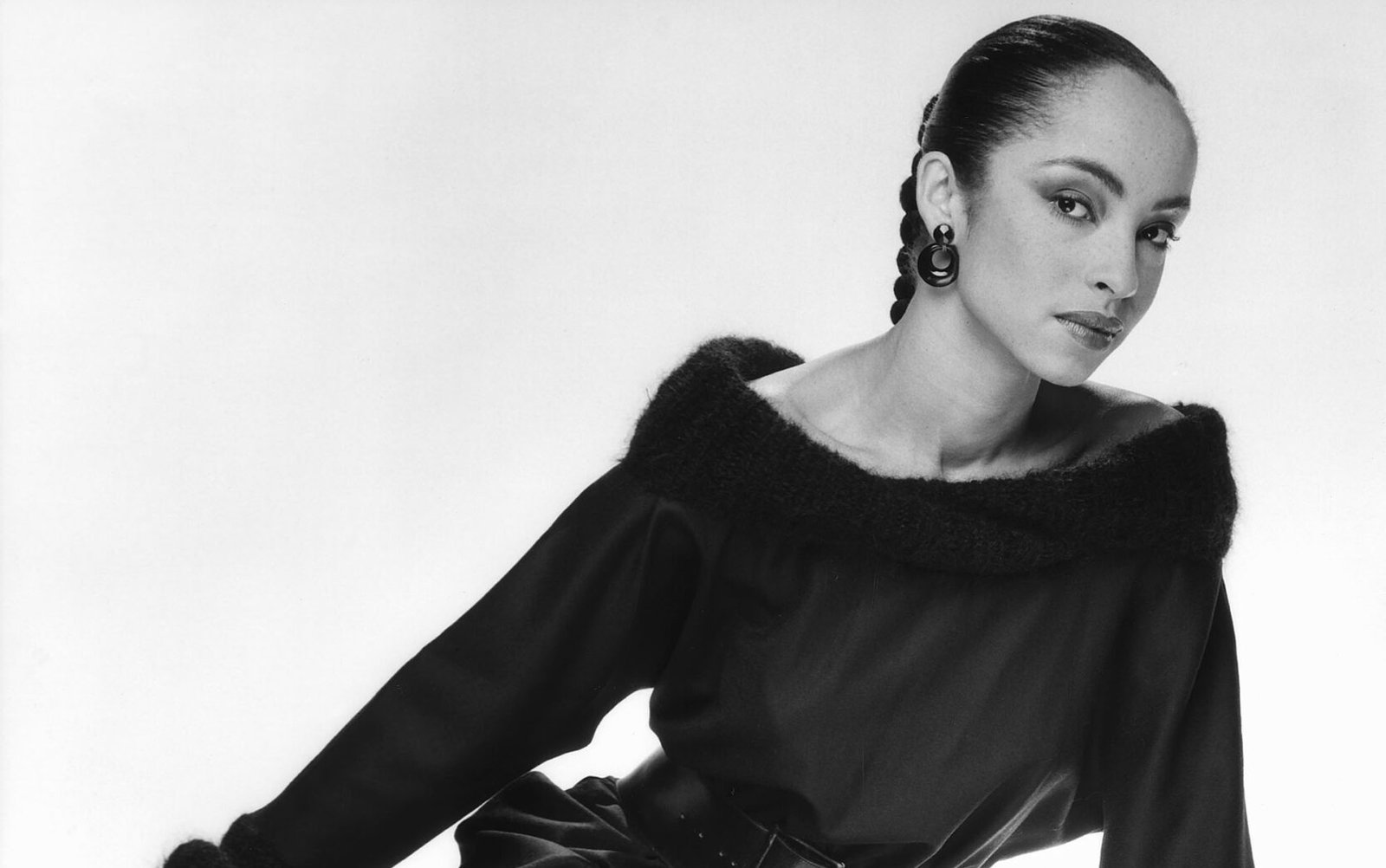
With Sade Adu’s sensual, distinctive voice and striking beauty, the singer became an international celebrity and sex symbol. Meanwhile, her bandmates stayed out of the spotlight and crafted sophisticated grooves that fuse jazz, pop, and R&B into a sound that’s become increasingly influential over the past four decades. All four members of Sade first played together in a Latin soul band called Pride, with Adu as a backing vocalist. She and Matthewman began developing songs together for the new project, with Pride guitarist Ray St. John co-writing the one that would propel Sade to international fame, “Smooth Operator.”
Each Sade album has sold millions, but the band never risked overexposure, taking more time between releases with each successive effort: one year, then two years, then four, then eight, then nine. Sade Adu often stepped away from public life during those breaks, becoming a mother in 1996 while living in Jamaica for several years. Her three bandmates started a side project, Sweetback, collaborating with an array of vocalists on two albums in 1996 and 2004, while Matthewman has collaborated extensively with American neo soul star Maxwell.
Now it’s been 16 years since the group’s most recent album and 14 since their last tour, although there have been a handful of soundtrack and compilation appearances from Sade Adu, as a soloist and with the band. Despite murmurs of sessions for a new album, which began circulating in 2022, there’s no official news as of yet about a seventh Sade album.
In April, the Rock and Roll Hall of Fame announced that Sade will be inducted in the class of 2026 alongside Phil Collins and Oasis. What’s the band’s greatest album?
6. Lovers Rock (2000)
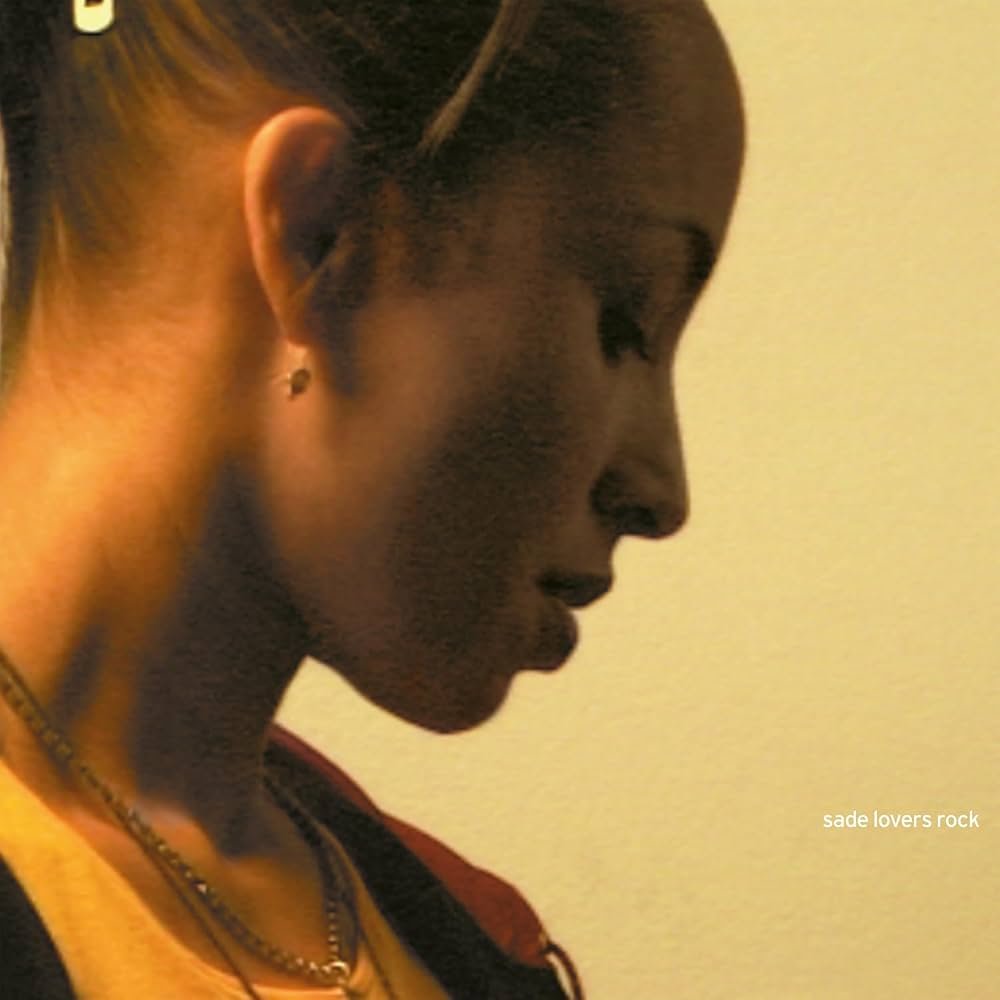
Sade’s early hits are part of why the saxophone is synonymous with ’80s pop music. And perhaps the band became self-conscious that the instrument would make them sound dated, because Matthewman sticks primarily to guitar, and occasionally other woodwinds, on Sade’s first album of the 21st century. Sometimes that leaves Lovers Rock feeling a little less lush and jazzy than the band’s other albums. But the hymn-like simplicity of the organ-driven “It’s Only Love that Gets You Through,” co-written by Sade Adu and keyboardist Janusz Podrazik, makes it a striking and emotionally powerful closing track.
While Lovers Rock may be more musically spare and reserved, the album’s lyrics represent some of Adu’s most cerebral and political work to date. “The subject matter, in an age of Girl Power rhetoric and boy-b(l)and balladry is just too clever for British radio. ‘Immigrant’ is a pursed-lipped critique on how the subtleties of racism can quash the spirit, and ‘Slave Song’, with its opening verse relayed in a mixture of fact and fiction as it narrates the effect of surviving the middle passage, is a stunning effort,” wrote Jacqueline Springer in the NME review of Lovers Rock.
5. Diamond Life (1984)
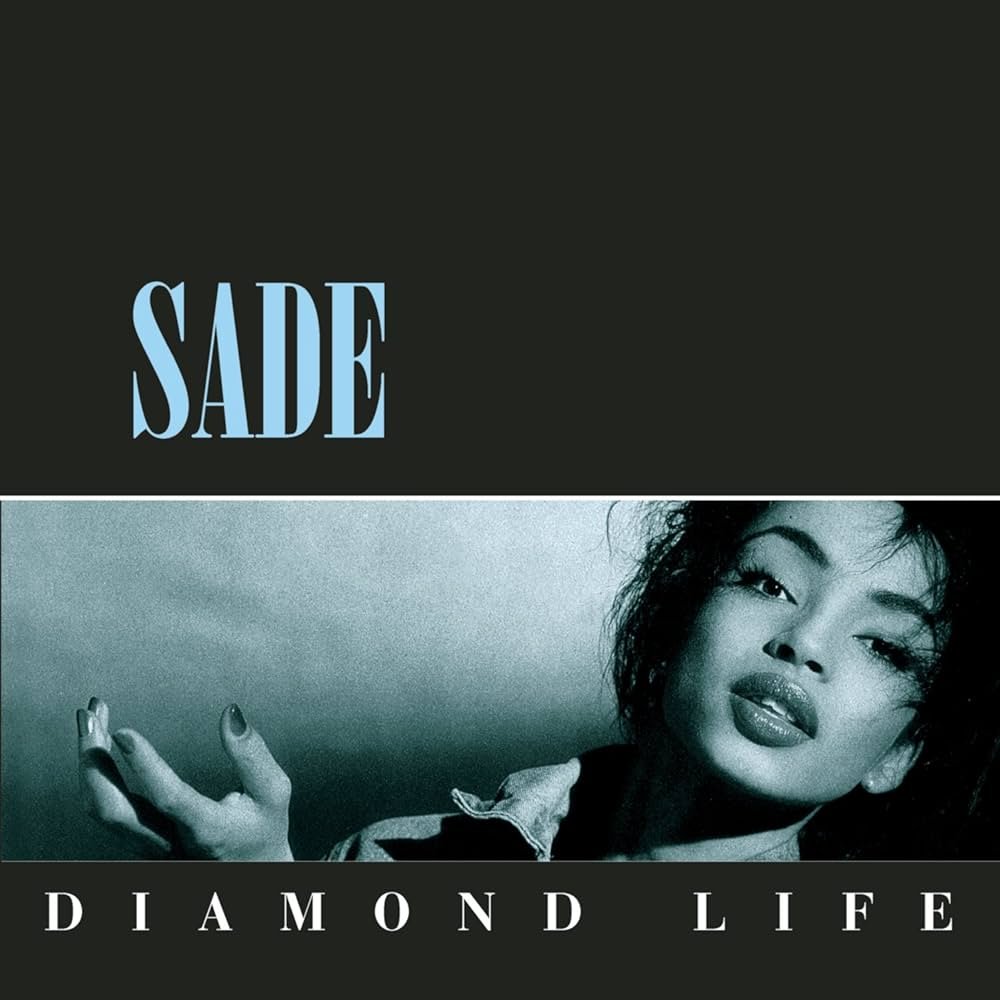
Sade’s debut is a pristine work of professional studio craft just like all their subsequent releases, but Diamond Life was made by a working class band that had spent years gigging in the clubs of London. You can hear it in some of the livelier grooves on “Cherry Pie” and “Hang On to Your Love,” as well as the striving lyrics of “When Am I Gonna Make A Living” that Sade Adu wrote on a miserable, rainy day before her big break. “I got my pen out and started to write ‘When Am I Gonna Make a Living’ on a soggy envelope. I got halfway through and the pen stopped working. That song’s our anthem now,” she told The Face magazine in 1984.
Producer and musician Robin Millar had been making records for a decade when he founded London’s Power Plant Studios in 1984. Millar quickly became a dominant force on the U.K. charts, producing seven consecutive Top 10 albums, including debuts by Everything but the Girl and Sade. Timmy Thomas’s 1972 single “Why Can’t We Live Together” was one of the first major chart hits to prominently feature a drum machine, but the cover that closes Diamond Life recaptures the song’s eerie ambiance with a more organic live band sound. “She and her associates put their project over, and with a fashion model’s virtues–taste, concept, sound,” wrote Robert Christgau in the Village Voice review of Diamond Life.
4. Soldier of Love (2010)
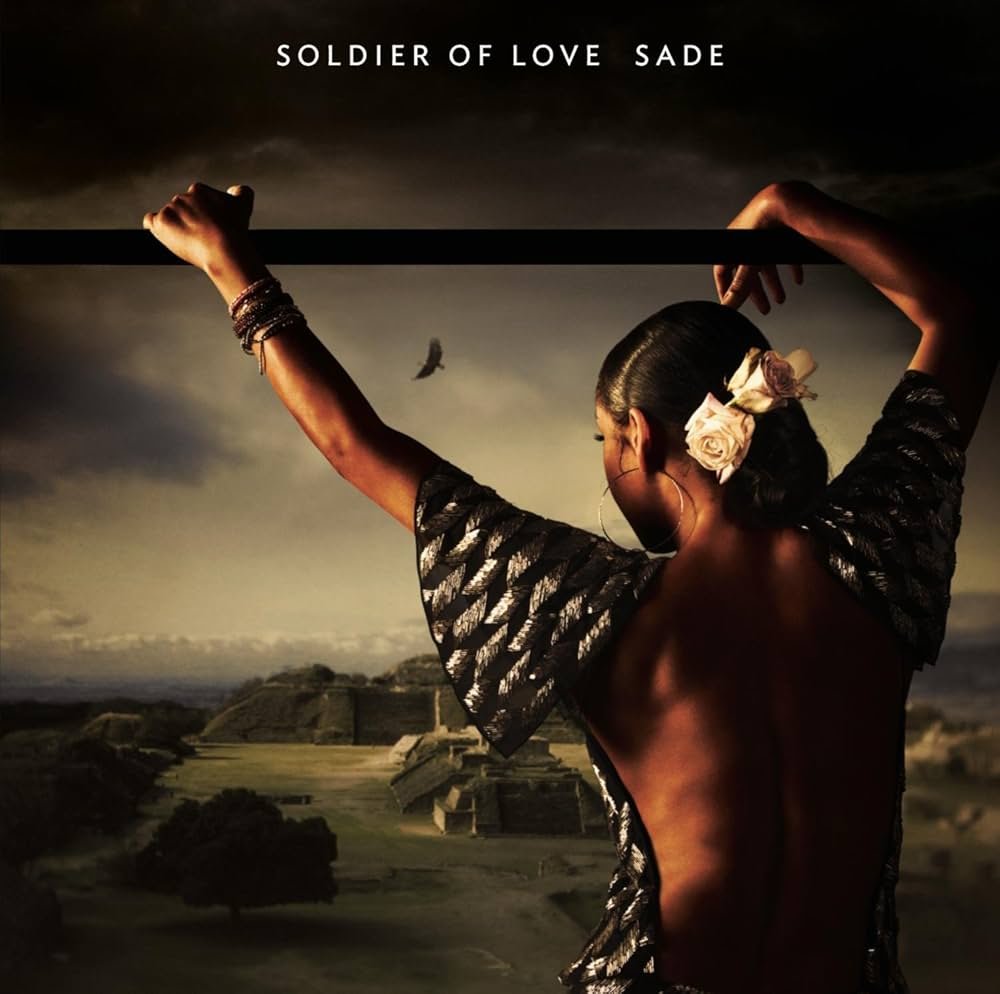
The militaristic stomp of Soldier of Love’s title track and the pastoral, almost countryish “Be That Easy” affirmed that the quartet were still evolving and experimenting after over three decades together. Sade Adu also sounds more sapient and worldly, consoling a heartbroken younger woman on “In Another Time” and meditating on parenthood on “Babyfather,” which features backing vocals by Adu and Matthewman’s children.
That Sade still sounded so vital on their sixth album, and have become even more influential in subsequent years, makes it all the more bittersweet that the band has yet to follow it up. “Musically, Soldier of Love has plenty of deft touches, like the way ‘Morning Bird’ suggests desolation with a piano motif paired back to as few notes as possible. The band knows its job is to provide as unfussy a backdrop for its singer as possible,” Jess Harvell wrote in the Pitchfork review.
3. Stronger Than Pride (1988)
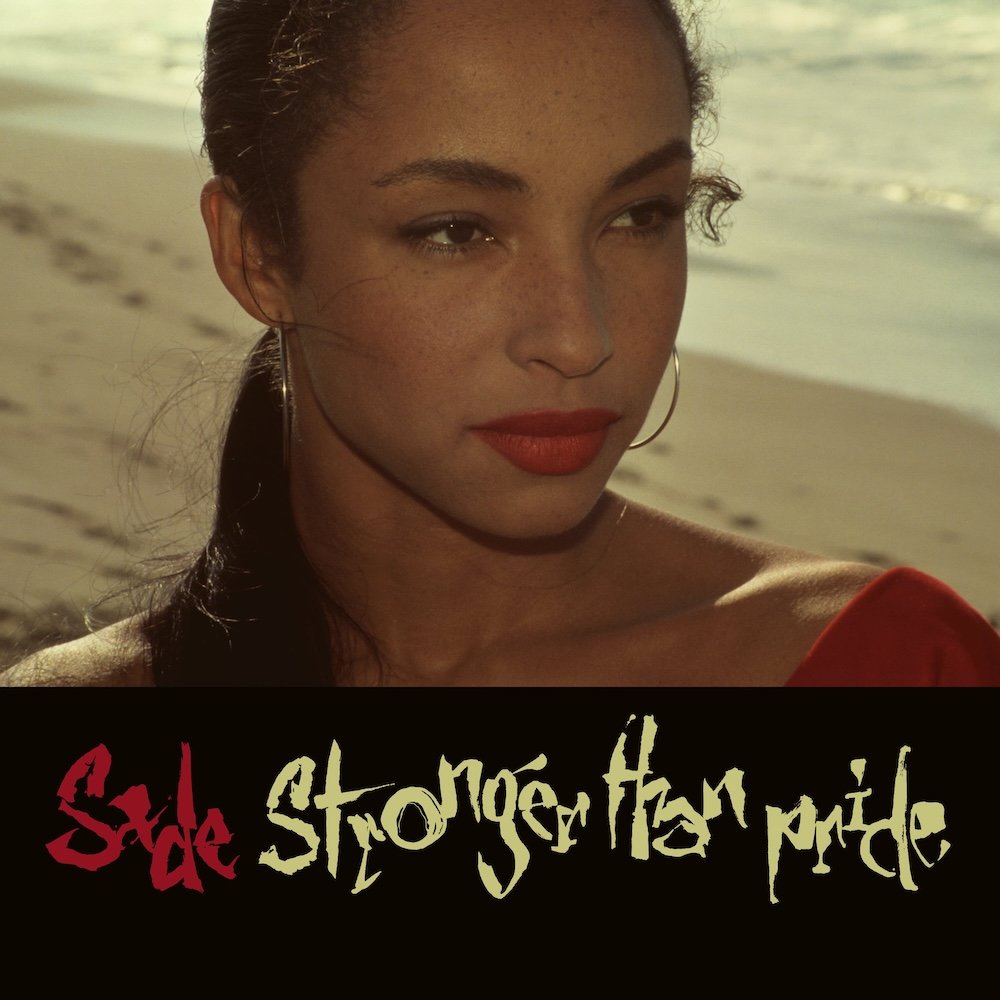
Sade Adu dabbled in film in 1986, acting alongside David Bowie in the musical Absolute Beginners, before returning to the studio for the band’s third album. In Sade’s unbroken streak of commercial success, Stronger Than Pride represents a slight dip in sales—triple platinum in the U.S. while the albums that preceded and followed it are quadruple platinum—and it remains the least-performed and least-streamed album in Sade’s catalog. It’s absolutely essential Sade, though, opening with the classics “Love is Stronger than Pride” and “Paradise.”
After producer Robin Millar began going blind while working on the first two Sade full-lengths, Stronger was the band’s first self-produced album. Recording at a leisurely pace in idyllic locations in the Bahamas and France seems to have seeped into the album’s unhurried, immersive mood. The acoustic “Haunt Me” and the thumping, funky “Turn My Back on You” each clock in over six minutes in a mid-album stretch that displays Sade’s unheralded sonic range. “The key to her appeal is not the pure prowess of her voice but its poise and presence,” Rob Tanenbaum wrote in the Rolling Stone review of Stronger Than Pride.
2. Promise (1985)
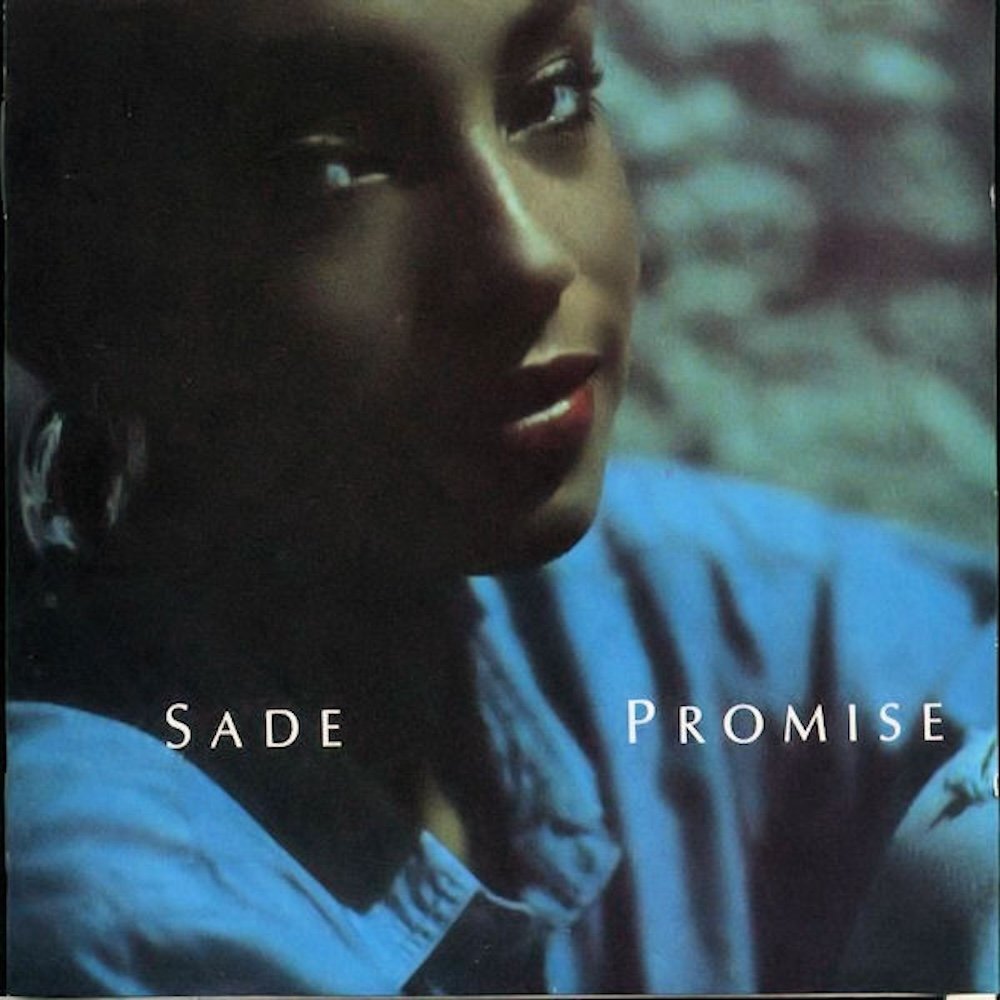
Sade was the newest act invited to play at Live Aid in July 1985, performing three songs early in the day between sets by Nik Kershaw and Sting. Four months later, the band released their second album, which debuted at number one in both the U.S. and the U.K. and produced one of their biggest and most enduring hits, “The Sweetest Taboo.”
“This current selection sees Sade and her boys purify the white-bread jazz/funk lines they established on Diamond Life,” Jessica Berens wrote in the SPIN review of Promise.
1. Love Deluxe (1992)
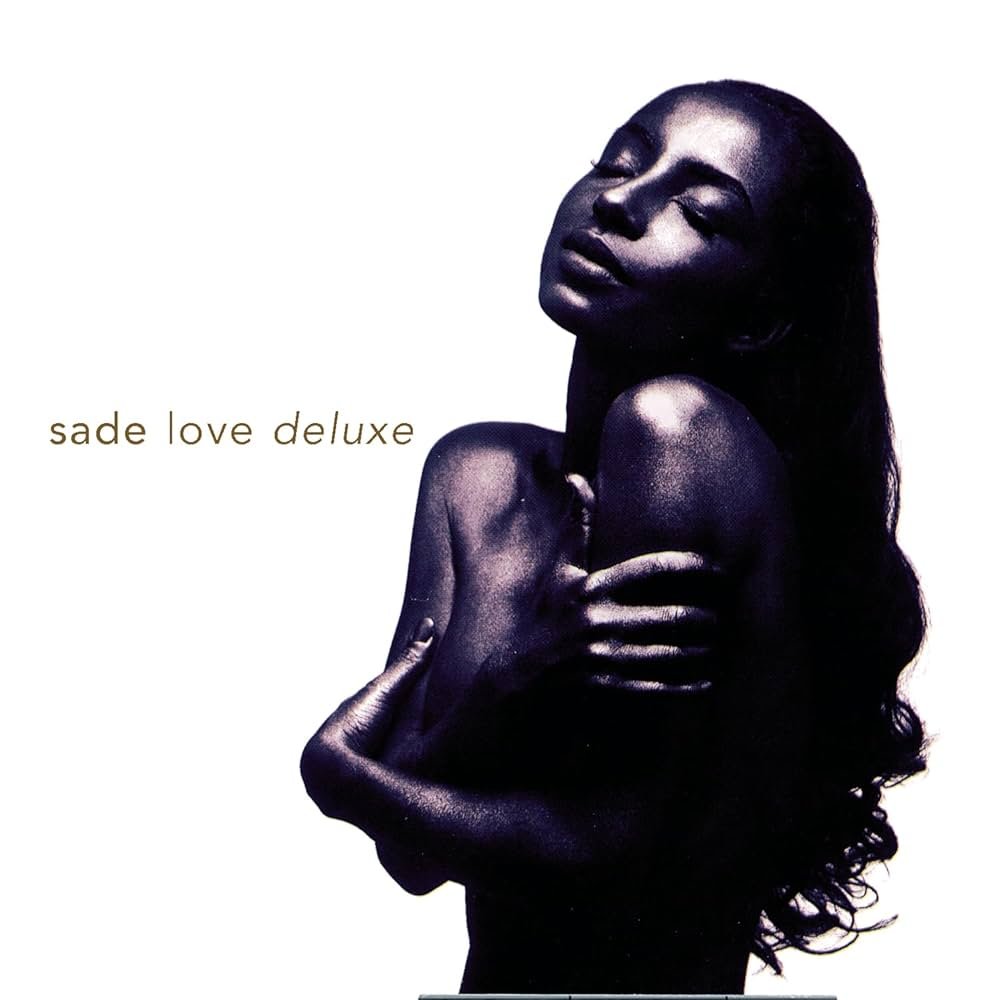
For many years, critics frequently downplayed the soothing texture of Sade’s songs as mere aural wallpaper, mood music for lovemaking. “A few of the tunes, gently underscored by Brazilian rhythms, do make good romantic background music,” wrote Dennis Hunt in a Los Angeles Times review, for instance, in 1992. Love Deluxe may be the album that best rewards close listening, however, for moments like the trembling lead guitar on “Cherish the Day,” which features one of Sade Adu’s most urgent and passionate vocal performances.
Noted Sade fan Drake commissioned a 9-foot sculpture of Love Deluxe’s iconic cover photo earlier this year, but the album’s true legacy is in its songs. The chugging, distorted guitar on the steamy lead single “No Ordinary Love” is buried deep enough in the mix that the song slotted neatly into R&B and adult contemporary radio playlists. It was a signpost of the album’s subtle expansion of the Sade sound, and it made perfect sense when Deftones later covered “No Ordinary Love.” “Pearls” and “Feel No Pain” are two of Sade’s greatest socially conscious songs, the latter sounding like it could have been written by Marvin Gaye for What’s Going On. And the acoustic “Like A Tattoo” has belatedly emerged as a streaming-era hit, with more plays on Spotify than any Sade song besides “Smooth Operator.”